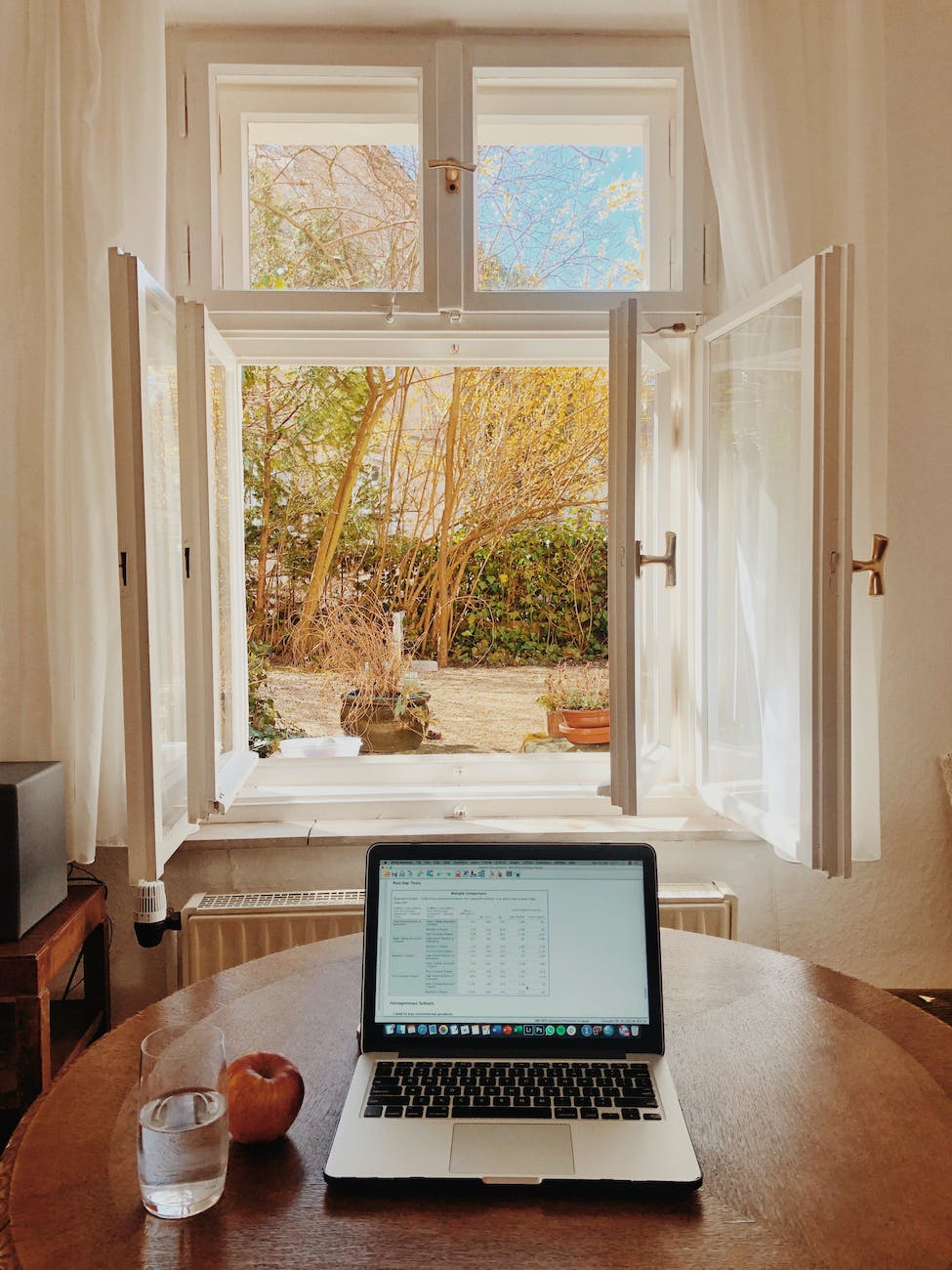
I took a deep breath and sent the email. I had just declined a really good job offer. I felt angry and deflated.
Over a year ago, after a thorough interview process for a job that looked interesting, I was offered the position. I was delighted, the role was interesting, I knew I could make a difference, my future boss seemed nice, and it came with a healthy salary increase as well. It was all great, right? Wrong.
During the offer negotiation process (*never* take the first offer) the job that had initially been advertised as remote, changed to hybrid, and ultimately insisted I had to be in the London office three days a week. I had been very honest about my caring situation and travelling down from Manchester to London that frequently was impossible for me – and for most people who have experienced British train services, I’d venture to guess. When I questioned why they were suddenly insisting I be in the office; they said I would be part of the senior leadership team and therefore had to be in the office. That didn’t really answer my question of ‘why’. They were blindly applying a new HR requirement, and they were not prepared to budge. Fine. I declined the offer, we both expressed disappointment at the situation , and they lost out on a really good PR director.
Many companies are currently pushing, more or less aggressively, for employees to go back to the office. I think this a huge mistake on their part. I hear the arguments of team building, engagement, and wasting office space but I think returning to the office should be for a defined purpose. I can’t tell you how many times I have commuted into the office over my career to sit there alone on the same Zoom calls I would have had at home. Going back to the office, for those who can’t easily commute, should have a defined reason such as an offsite, a team meeting, or client events for example. I like going into the office, seeing colleagues in person is great. I get to leave the house and wear makeup, I feel like I’m part of the world again. I see the value in it; I just can’t do it as often as others and I need a bit more notice.
Blindly applying a new ‘return to the office’ edict with no nuance from senior management who are likely operating on flawed thinking or simply following others will be harmful to them in the long term.
For unpaid carers especially, who have to juggle work and caring responsibilities, remote or hybrid working is essential. 40% of carers surveyed in Carers UK’s State of Caring 2023 survey said that they had given up work to provide unpaid care. That’s tragic and I’m sure, with some understanding and flexibility from employers, some of those carers could have kept working. It is estimated that around 600 people in the UK quit their jobs to look after their loved ones, everyday. Every.Day.
With an ageing population, that number is only likely to increase and employers are going to have to adapt to keep their staff.
Unpaid carers also make great employees:
- We care. By definition, we are caring individuals. We want to do well whether that is for our loved ones or in our jobs.
- We are resilient. The corporate world’s proverbial ‘bad day at the office’ can’t faze us given what we go through everyday. We get on with it.
- We are empathetic. A great quality to have in a colleague, our experiences have given us a keen eye to spot someone needing help. I can spot them a mile away, even on a Zoom call.
- We can multitask. We often have to do several things at once, so a huge to-do list does not scare us. Every day is a prioritisation exercise.
- We’re good in a crisis. We deal with unpleasant and scary situations regularly so a corporate crisis isn’t going to send us over the edge.
- We’re hungry. For those who can work and care, working is something to hold on to. We want to be part of something other than caring for ourselves. I work far too much, because that’s all I have left in *my* life. It is more than a way to pay the bills – although that’s very handy too.
- We are adaptable. We didn’t choose to become unpaid carers, we had no choice and we dealt with it. A change of corporate direction is a breeze in comparison. We will regroup, adjust, and keep it moving.
We might not be able to come into the office as much, and might need some extra support, but employers will get stellar employees in return. A lot of organisations now are very careful to portray themselves as champions of diversity and inclusion, but it doesn’t seem to have extended to those who can’t be in the office regularly. So not actually inclusive, then. You don’t have to be a PR person to see the flaw in that claim.
Before I became an unpaid carer, I would have thought that the back to the office movement was likely a good thing. Because I knew no different, I never considered those who couldn’t. I suspect that is the position of a lot of the corporate leaders making those decisions. If it is feasible for them, then it must be possible for everyone. To be a truly inclusive employer, provisions must be made on a more case by case basis, or they risk missing out on great talent.
Right, I must get back to my inbox!
(source: https://thecareruk.com/juggling-work-and-unpaid-care-causes-carers-to-leave-the-workplace/)
 Number Eighteen, in the corner
One response to “Remotely acceptable”
[…] more thoughts on remote working and being a working unpaid carer here and here, if you’re interested […]
LikeLike